

Pipsqueak Productions, LLC specializes in effective, audience-focused communication using computer-based media. Pipsqueak also creates educational materials utilizing the latest theories of learning acquisition and interface design. And Pipsqueak is an excellent digital production resource. We take pride in meeting deadlines and exceeding client expectations. Pipsqueak was formed in 1994, drawing on the principals’ experience in creating and executing new media products. Now in its 32nd year, Pipsqueak has been doing web work almost as long as there’s been a Web.
Pipsqueak is located in the beautiful Seacliff area of San Francisco near the Presidio National Park and Baker Beach. Our email is info@pipsqueak.com. Pipsqueak’s principals are Christopher and Olga Werby, a married couple who work together. Our talented son, Dr. Nicholas Werby, has recently joined Pipsqueak as director of research and development, greatly expanding our capabilities.
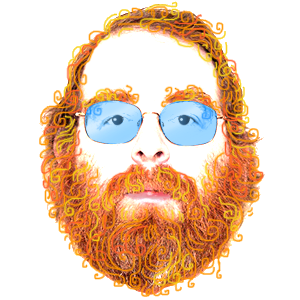
Christopher Werby, J.D. is a technologist, programmer, and lawyer. He received a B.A. degree in Physics from Sarah Lawrence College and a Juris Doctor degree from U.C. Berkeley School of Law. He is an active member of the California State Bar (member 124299). Since Pipsqueak’s founding in 1994, his focus has been on web-based digital communication.
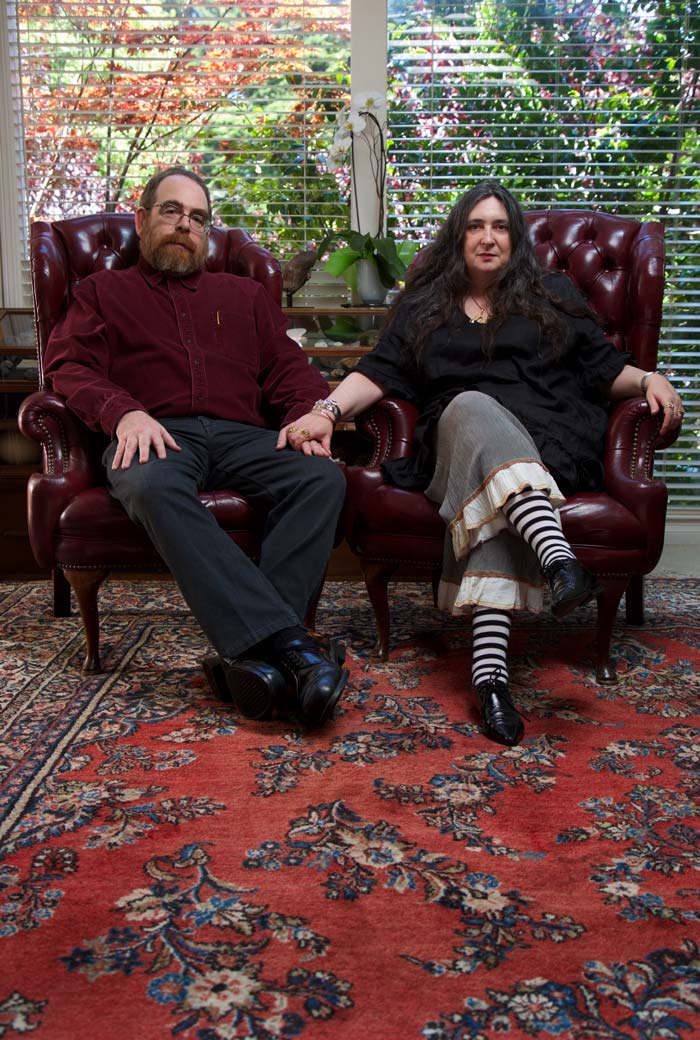
Photo by Kent Marshall

Nicholas Werby, Ph.D. holds a B.A. degree in physics, applied mathematics, and astrophysics from U.C. Berkeley, and a Ph.D. degree in physics from Stanford University. Throughout his academic career, he has been actively involved in the development of data analysis software packages, which have been specifically designed to facilitate rapid image processing and interactive experimental applications. Since obtaining his Ph.D., he has focused on photorealistic 3D modeling, iOS app development, and mixed reality development. He is actively involved in ongoing initiatives to integrate mixed reality solutions into high-impact government laboratories to develop tools for accelerating scientific work in experimental research settings.

Olga Werby, Ed.D. received a B.A. degree in Mathematics and Astrophysics from Columbia University, a Master’s degree in Education of Math, Science, and Technology from U.C. Berkeley, and a doctorate from U.C. Berkeley with a focus on designing online learning experiences. She has been creating computer-based projects since 1981 with organizations such as NASA (where she worked on the Pioneer Venus project), Addison-Wesley, and the Princeton Review. She conceived, designed, and illustrated the award-winning “Field Trips” series of programs distributed by Sunburst Communications. Olga taught interaction design and cognitive theory at the American University in Paris and at the University of California at Berkeley Extension Program. She was part of the faculty of San Francisco State University’s Multimedia Studies Program, the Bay Area Video Coalition, and the campus of Apple Computers. Olga is a member of the Association for the Advancement of Computing in Education. She holds a California teaching credential and is part of the San Francisco Unified School District where she often tests science-related curriculum materials in public elementary and middle schools. Olga is also the author of eleven novels and a number of other books and short stories.