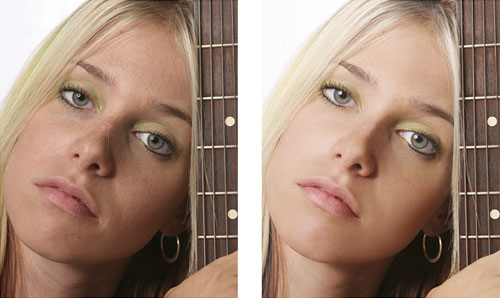
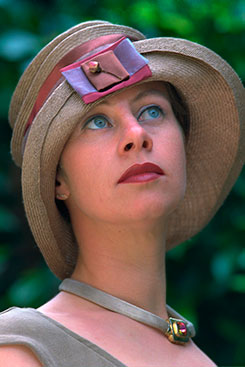
A fashion shot for a milliner.
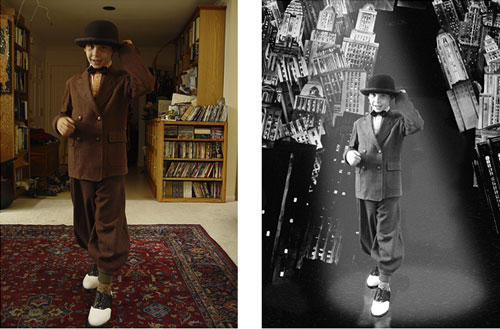
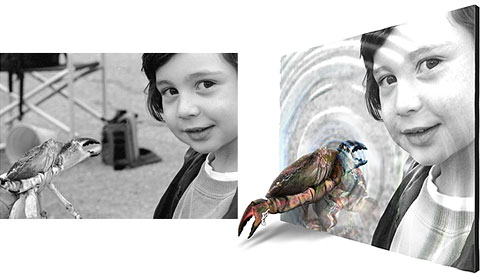
Both traditional and computer expertise are required for a modern photographic workflow. Styling, lighting, and capturing an image is just the beginning. Retouching, masking, compositing, and grading are important skills for a photographer today.
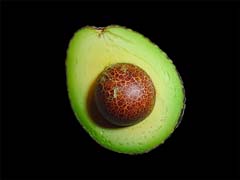

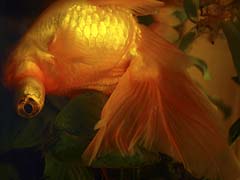
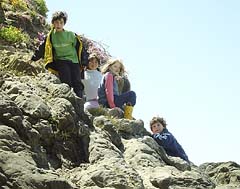
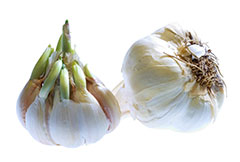

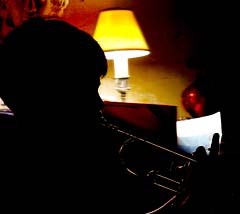
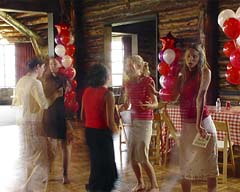


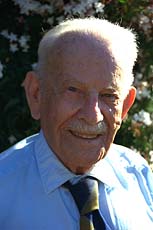
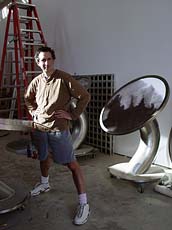
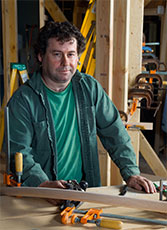

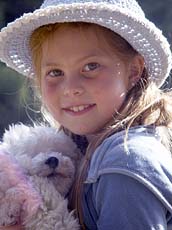



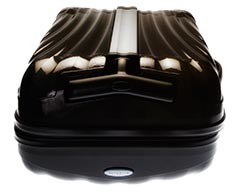
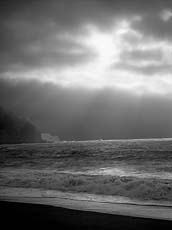
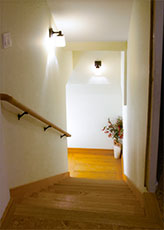
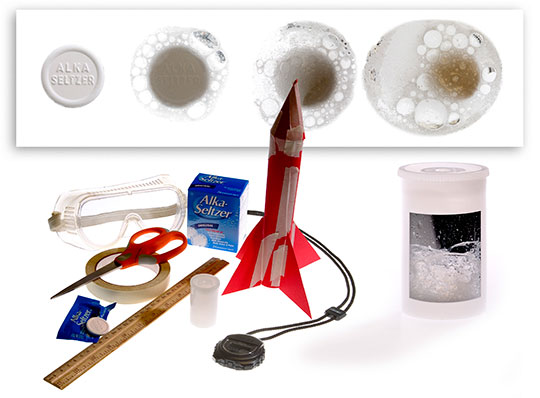
Photos for an elementary school science activity that uses Alka-Seltzer tablets as rocket fuel.
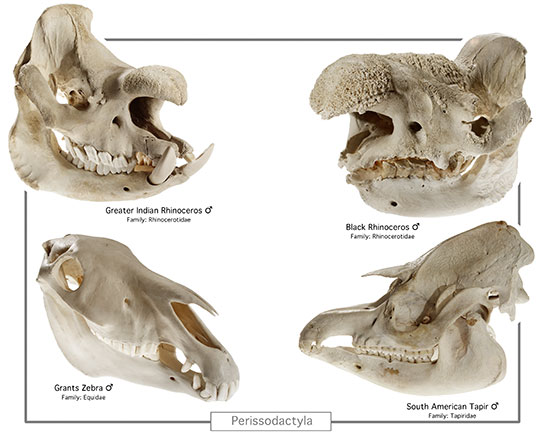
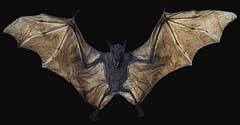
Detail from a poster of mammal skulls created for the San Francisco Zoo.
Pipsqueak combines traditional photographic technique with digital photographic manipulation. We’re adept at Photoshop—we’ve been using it since it came on floppies—and After Effects. Since we combine photography and digital image manipulation, we can craft our photographic work in anticipation of manipulation in post. And since we’re photographers, our digital work doesn’t have that computer-generated look.
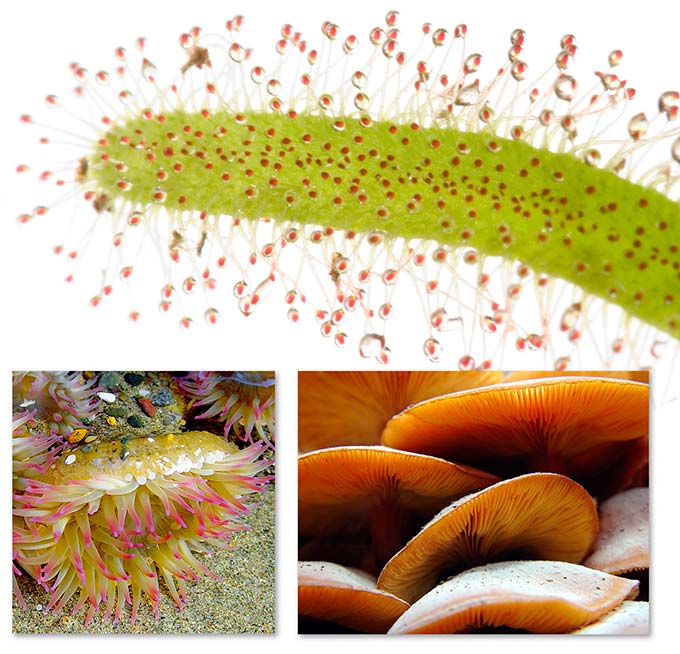
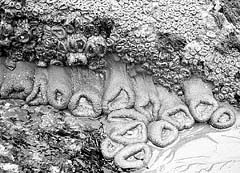
A leaf of a carnivorous plant—the sundew (Drosera binata) top. a sea anemone (Anthopleura xanthogrammica) above, left. And some mushrooms in our garden (Mushroomus unknownus) above, right.

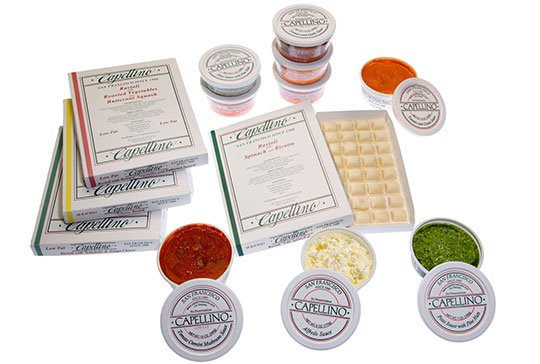
For these product shots for Capellino Pasta, strobe lights were positioned underneath our large translucent shooting table.
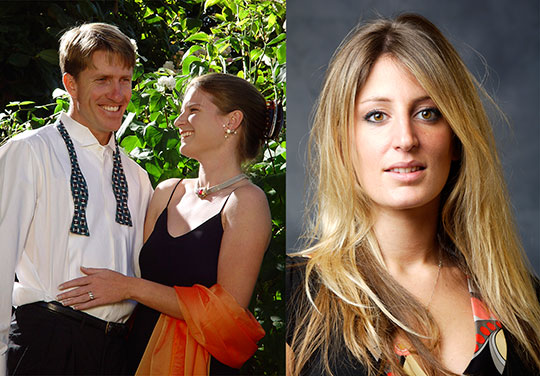
After the Party, left, was shot on medium format Provia film and then scanned. Paris O’Connell, right, was acquired digitally. Both were enhanced.
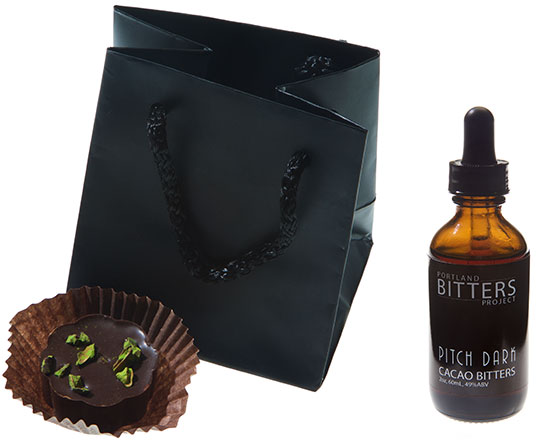

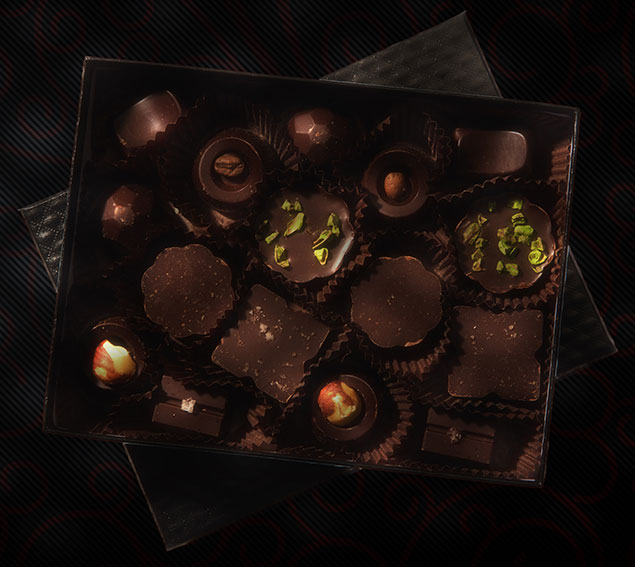
Moody product shots for Pitch Dark Chocolates, an innovative Portland company.
For lighting, we often use strobe lighting (Dynalite) for our still work and tungsten or LED lighting packages (Lowell, Arri, Mole Richardson, and Dedolight) for our film and video work.
Our studio includes a large translucent shooting table, a Cambo camera stand, and an onsite HD reviewing monitor. We also shoot in 360°—great for tours and environments, especially when viewed in a VR headset.